Most SREF codes are filters. They adjust the tone, the palette, the mood — but they leave the structure of your prompt intact. SREF 3771 is different.
SREF 3771 renders any subject in pointillist style. Dots and small marks compose the image, monochromatic depth, and a sense of artistic texture define the output. Subjects feel impressionistic, textured, and contemplative.
Visual Identity
The 5 Signatures of SREF 3771
Every image generated with this code carries these markers, regardless of the subject.
01
Pointillist Technique
Images composed of dots, marks, and texture. No solid lines.
02
Monochromatic Depth
Black, white, grey with dense dot patterns creating dimension.
03
Impressionistic Quality
Details merge into forms when viewed from distance.
04
Textured Surface
Every mark visible. Tactile, haptic quality to the image.
05
Contemplative Mood
The slow pointillist process imbues images with thoughtfulness.
Three diverse use cases showing how SREF 3771 transforms the prompt across different subjects.
Prompt 1
Transformation 1
— tested without / with --sref 3771 --ar 3:4
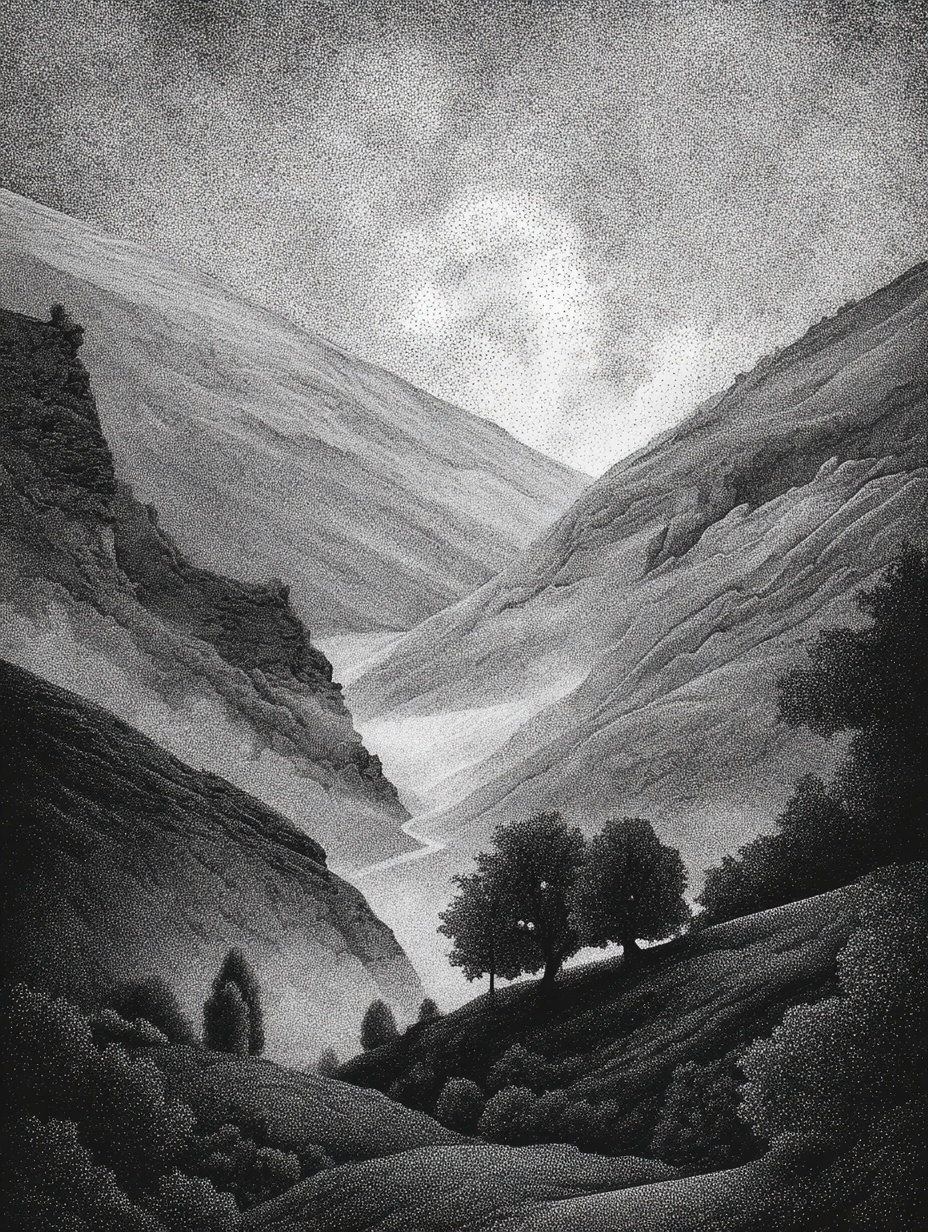
Without --sref 3771
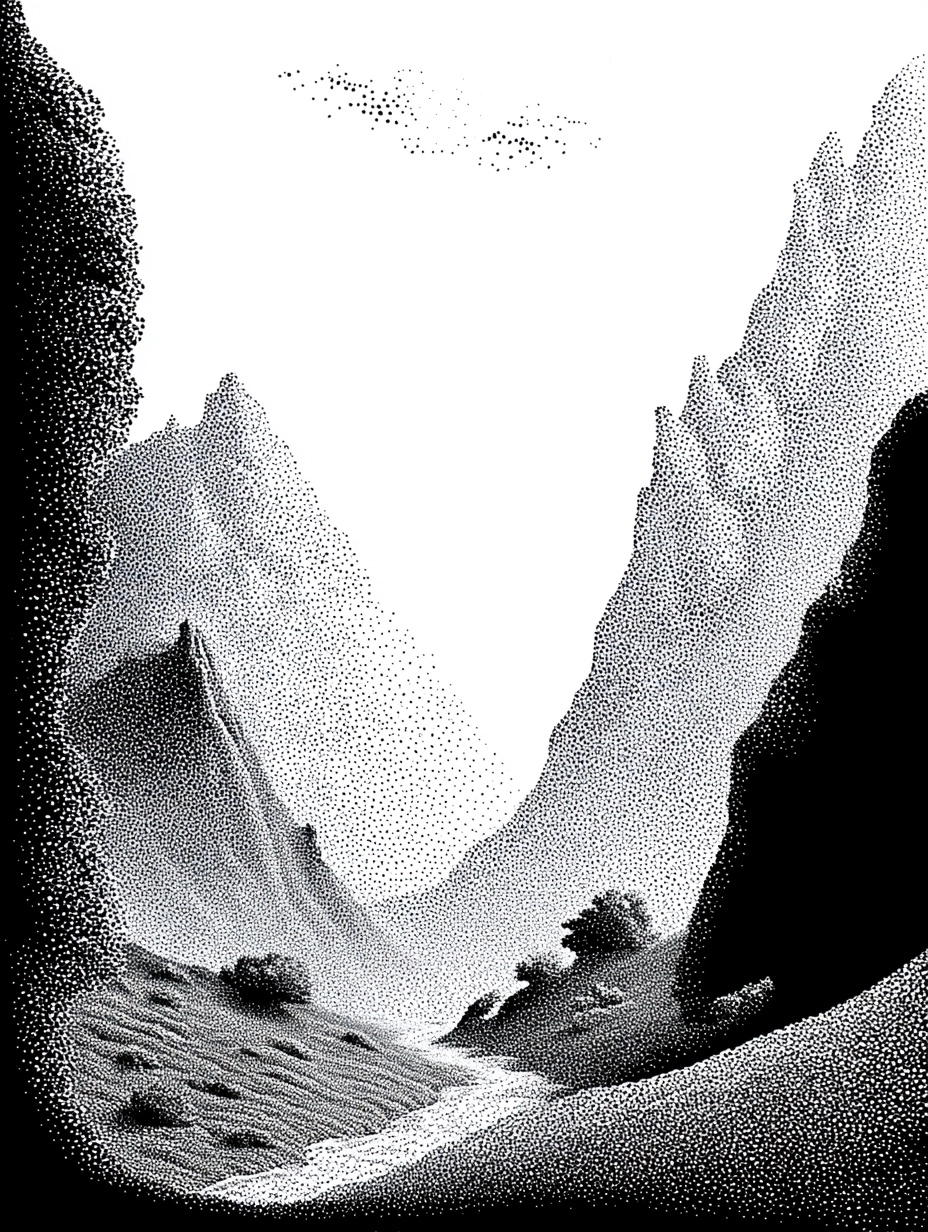
--sref 3771 applied
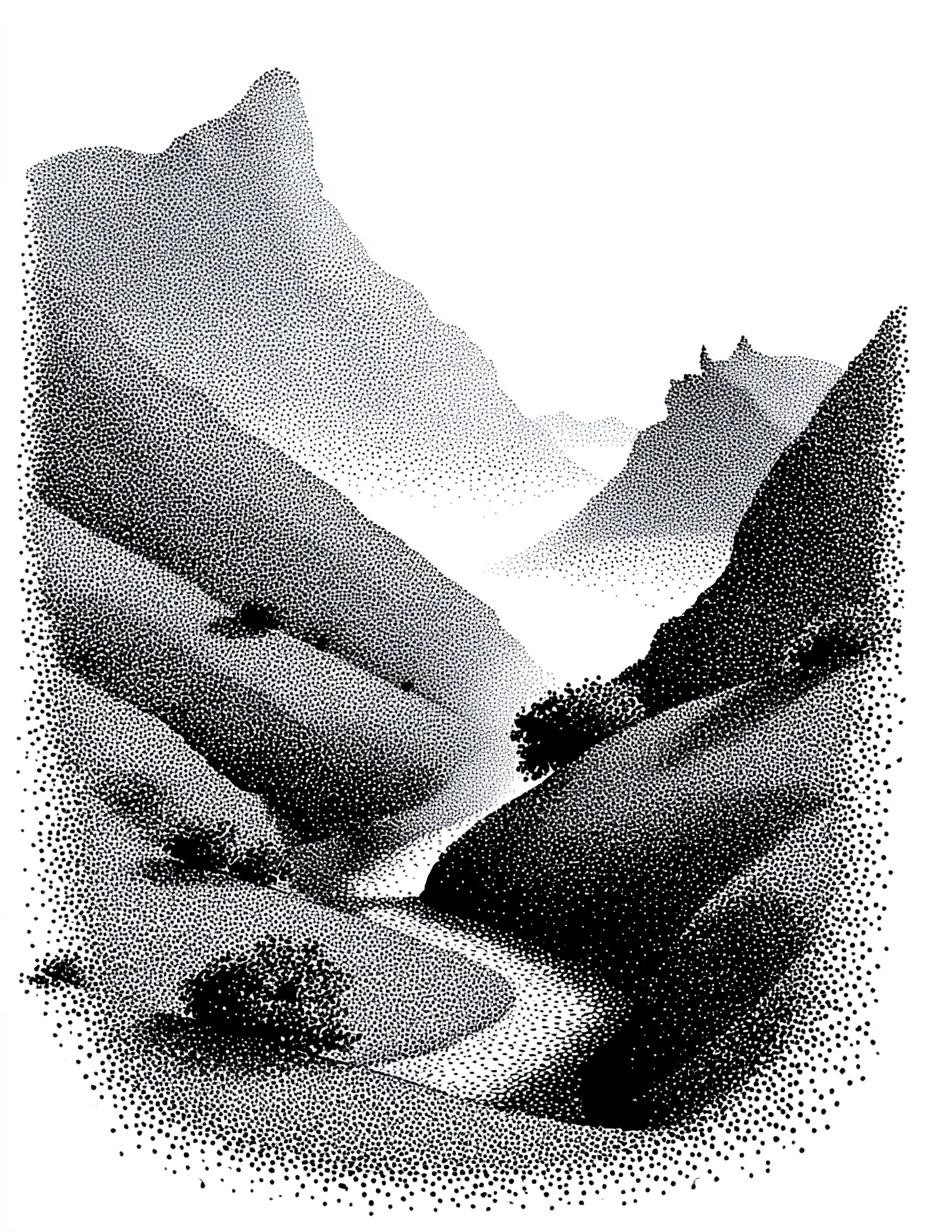
--sref 3771 applied
What changed: The SREF 3771 override is visible in the visual transformation across medium, palette, linework, and overall aesthetic. pointillist art style, dots and marks composition, monochromatic, contemplative
Prompt 2
Transformation 2
— tested without / with --sref 3771 --ar 3:4
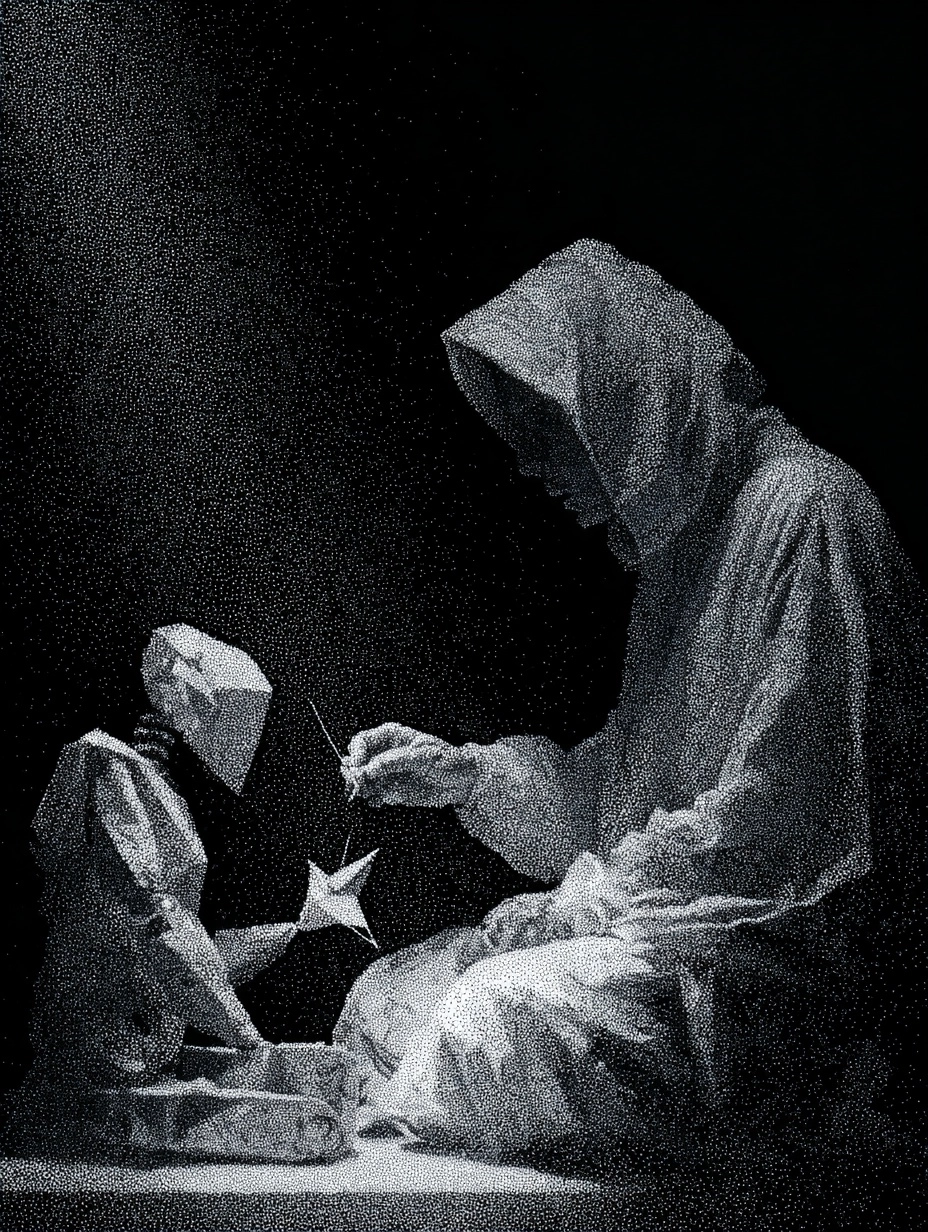
Without --sref 3771
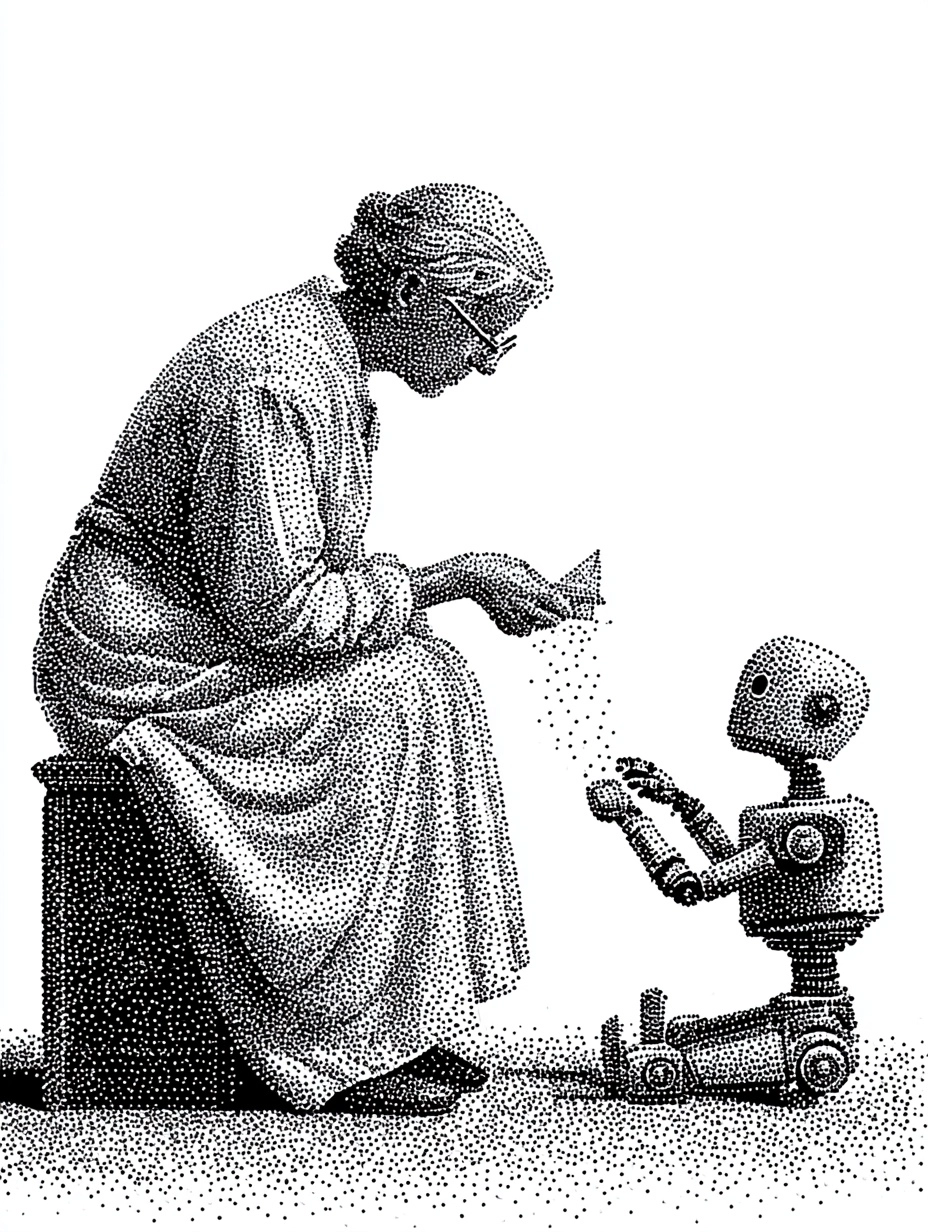
--sref 3771 applied
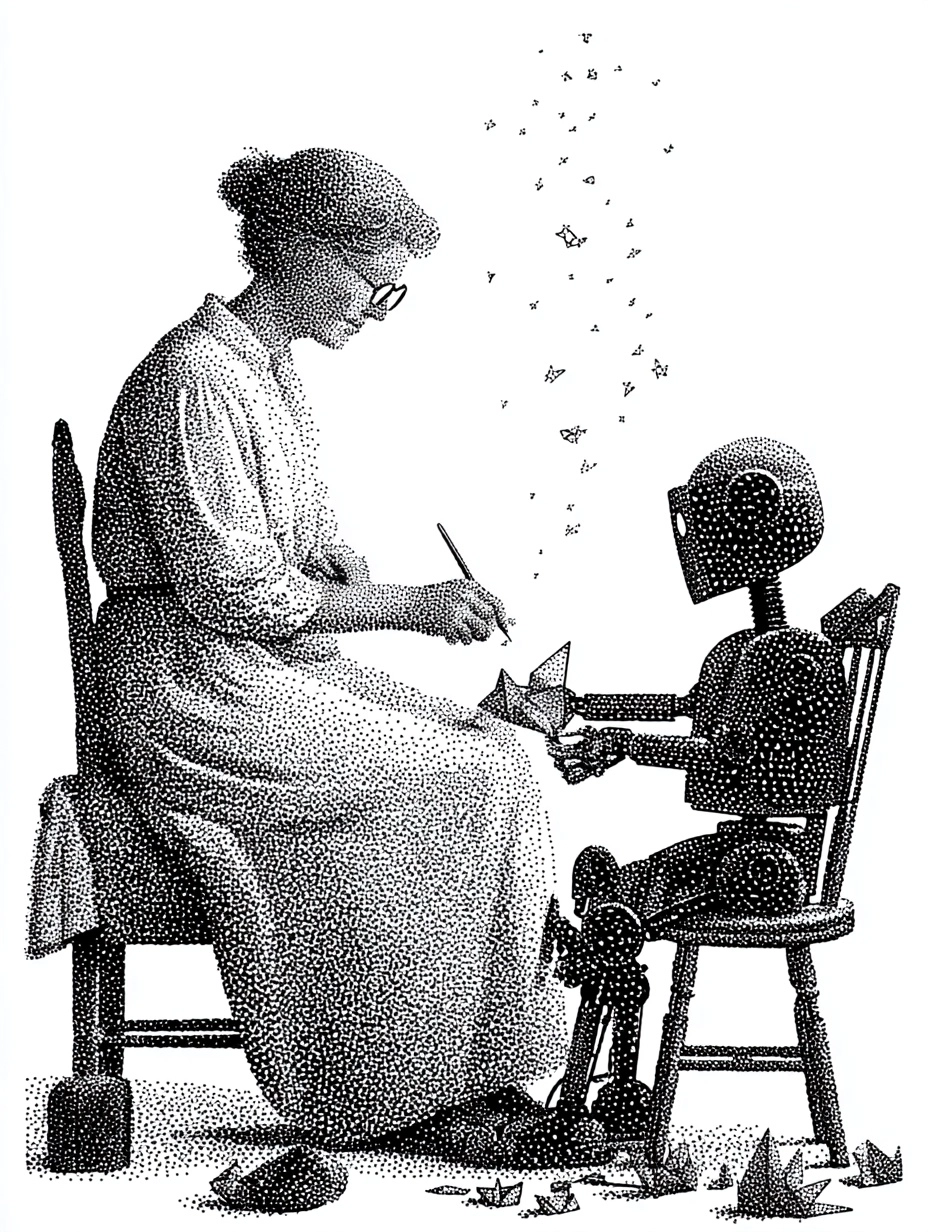
--sref 3771 applied
What changed: The SREF 3771 override is visible in the visual transformation across medium, palette, linework, and overall aesthetic. pointillist illustration, impressionistic style, dotted technique, mysterious
Prompt 3
Transformation 3
— tested without / with --sref 3771 --ar 3:4
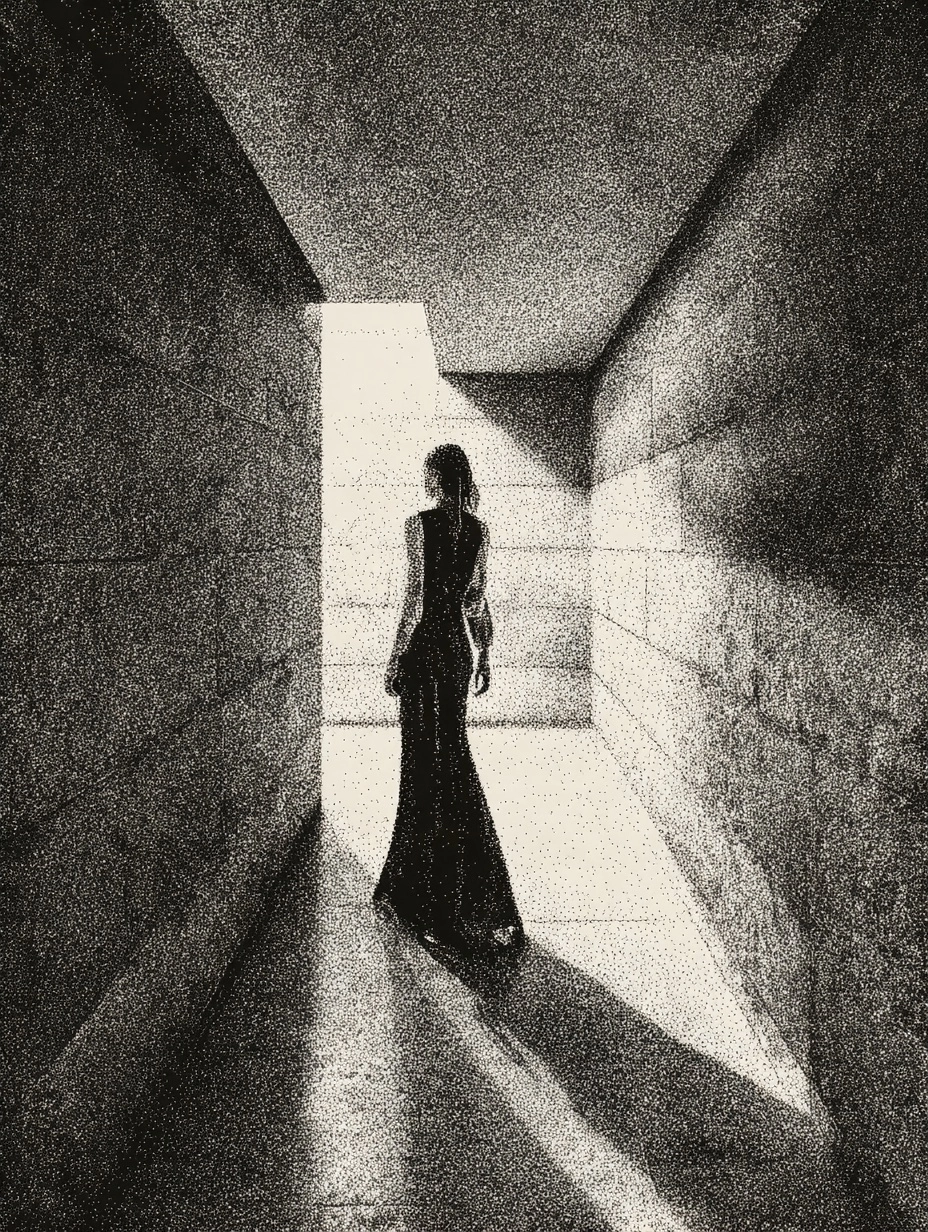
Without --sref 3771
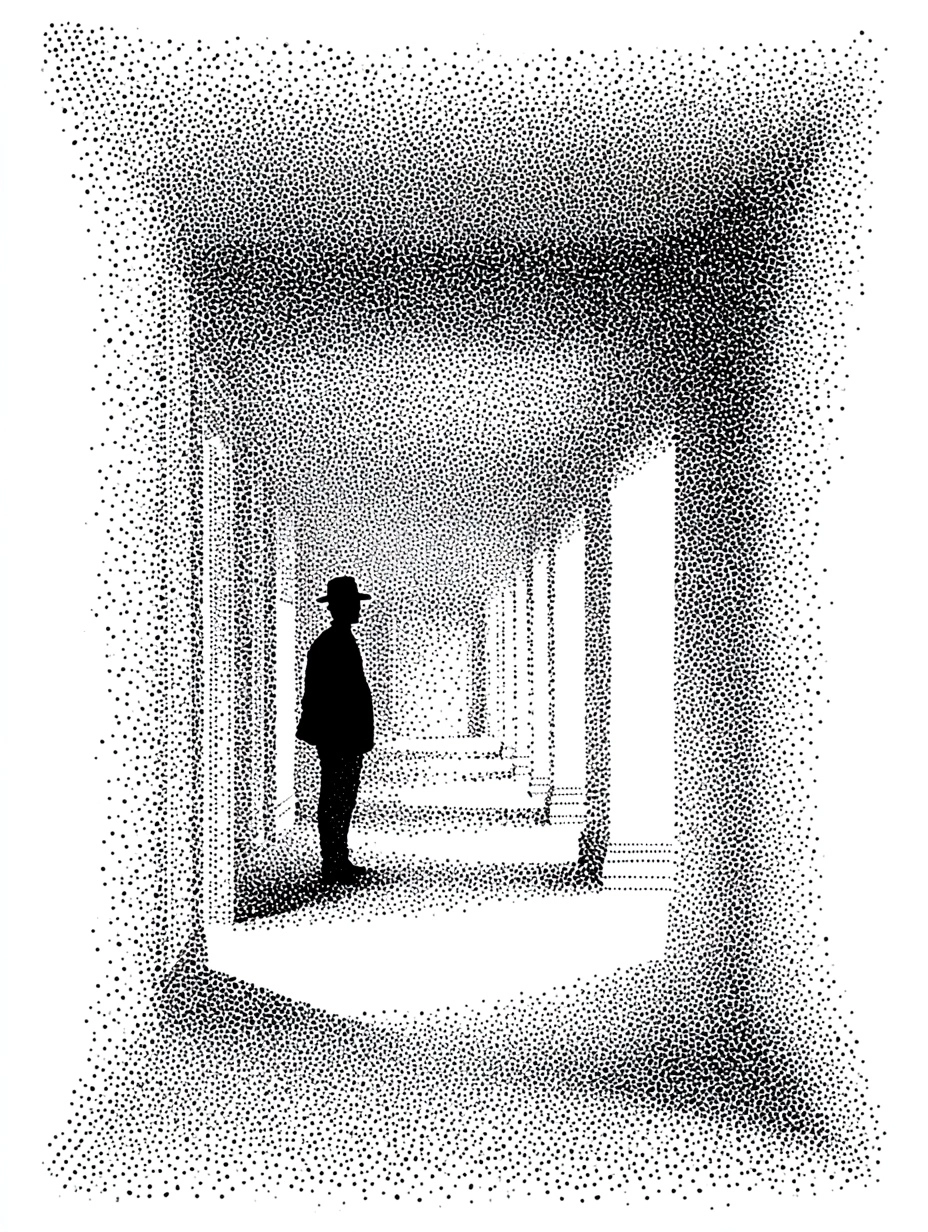
--sref 3771 applied
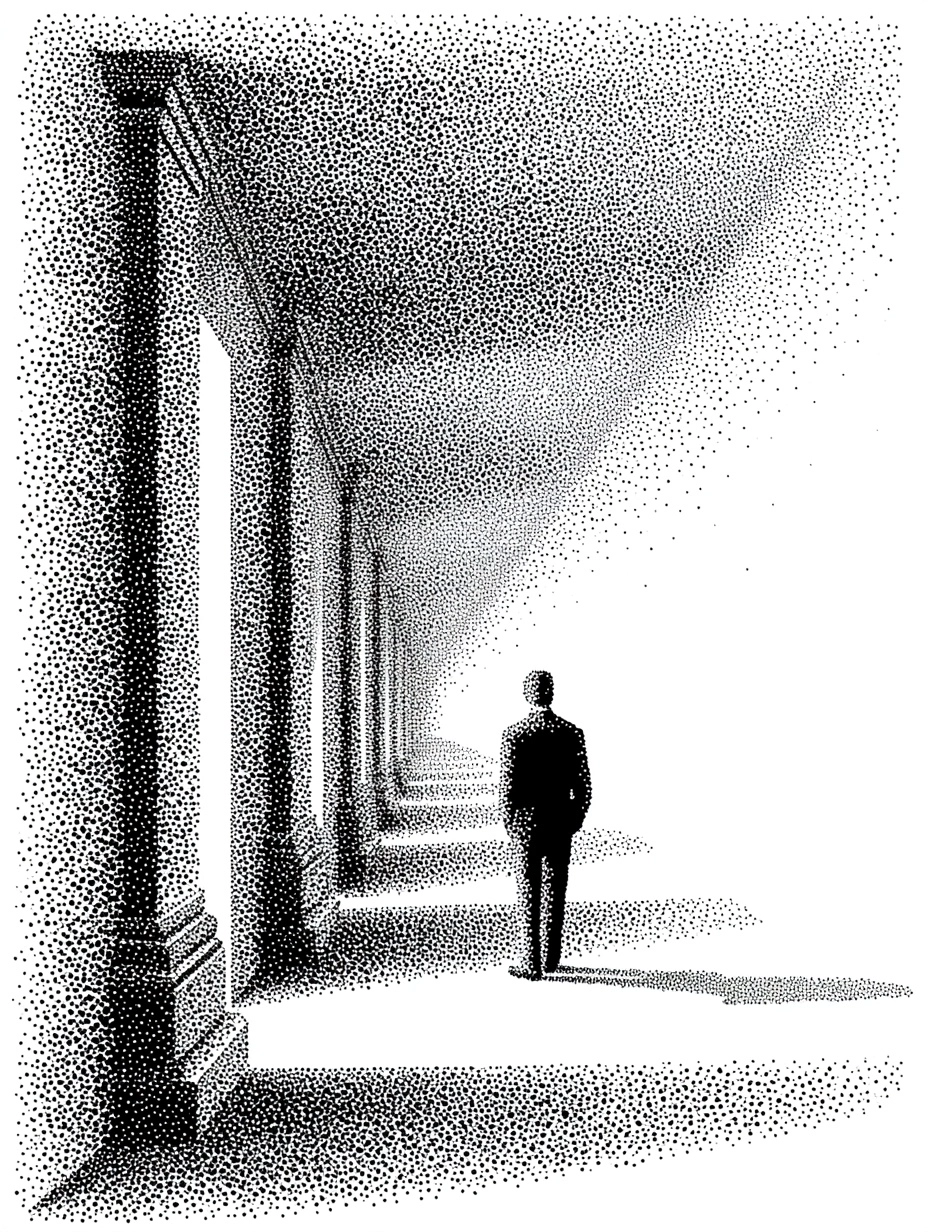
--sref 3771 applied
What changed: The SREF 3771 override is visible in the visual transformation across medium, palette, linework, and overall aesthetic. pointillist portrait, dot technique, monochromatic depth, thoughtful mood
Use Cases
Where SREF 3771 Works and Where It Fights Back
Strong Use Cases
- Fine art and gallery work
- Book covers for literary fiction and contemplative narratives
- Album art and music visuals
- Poster and print art with artistic focus
- Magazine feature illustration
- Portfolio and artistic project work
Less Effective Uses
- Photorealistic rendering
- Bright, saturated color work
- Technical or schematic design
- Commercial product work
- Fast-paced or energetic subjects
Prompt Samples
Reference Prompts
Prompts used across the visual comparisons above. Copy and adapt for your own projects.
P1a misty valley at dawn, stippled illustration, pointillist technique, mysterious, monochrome tones --sref 3771 --ar 3:4
P2a grandmother teaching origami to a robot, rendered in stippled illustration, pointillist technique style, mysterious lighting, monochrome color grading --sref 3771 --ar 3:4
P3editorial fashion: a model in an empty brutalist hallway, stippled illustration, pointillist technique, mysterious shadows, monochrome --sref 3771 --ar 3:4
Frequently Asked Questions
What is pointillism?
An art technique using small dots or marks to compose the image. Seurat and Signac pioneered it. SREF 3771 applies it to any subject.
Does SREF 3771 add color?
No — exclusively monochromatic. The composition comes from dot density and texture, not color.
Why is it called "Dotted Wanderer"?
It suggests a contemplative journey expressed through pointillist marks — slow, thoughtful, built from small accumulated moments.
Is SREF 3771 good for character work?
Yes — especially for thoughtful, introspective, or melancholic characters. The texture imbues portraits with contemplation.
What aspect ratio works best?
Square (1:1) for balanced pointillist composition. Also works for portrait (3:4) or landscape (16:9).
Find More SREF Codes Like This
SrefMindForge indexes 3000+ Midjourney style codes by visual category, mood, palette, and geo family. Find the right style for your next project in seconds.
Open SrefMindForge